Metal Roof or Architectural Shingle? Heat, Wind and Class 4 Hail Ratings in South Texas
Both materials can make a good Valley roof, and the better choice depends on how long you'll keep the building and where it fails first.
October 17, 2026 · 4 min read
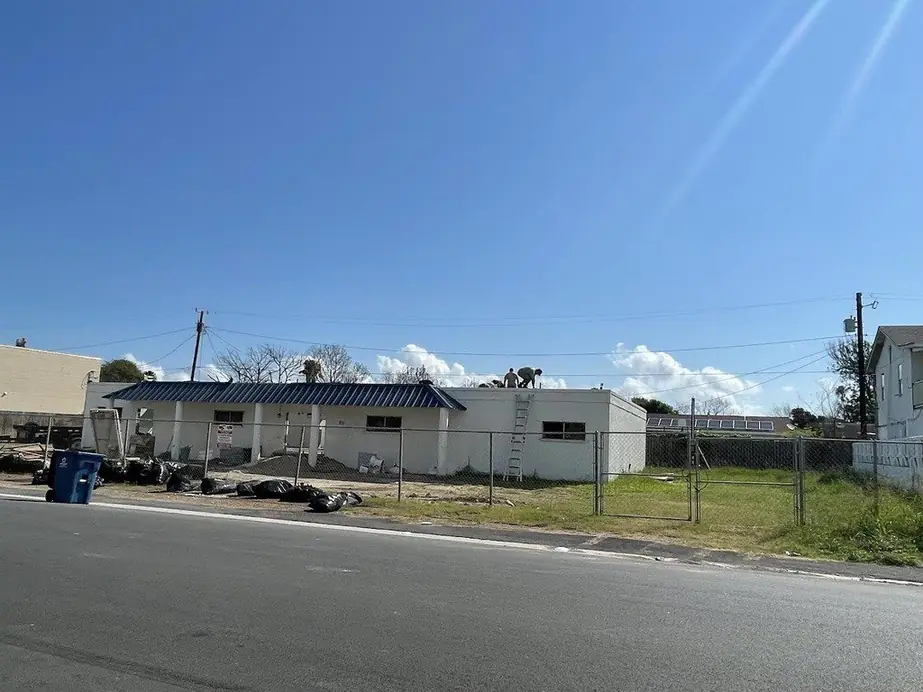
Most homeowners who plan a full replacement end up comparing the same two options: architectural asphalt shingles and metal panels. Both can serve a Valley building well. The right one depends on how long you plan to own it, how much you want to spend now versus later, and what you expect the roof to survive.
Architectural shingles: familiar, repairable, easy to match
Architectural shingles are the most common roof on Valley homes, and for good reasons. They're widely available, installers everywhere know them, and a damaged section can be repaired and matched without redoing the whole roof. They share the limits of any asphalt product: granules wear in the sun, seals can be lifted by strong wind, and hail can bruise the mat. A well-installed roof with correct ventilation and flashing handles ordinary South Texas weather, and replacement is straightforward when its time comes.
Ariston Construction installs Owens Corning roofing products, and every roof system it installs is registered in the homeowner's name with a certificate and a photo record of the underlayment, flashing and ridge.
Metal: higher cost now, longer service life
A metal roof costs more up front, and it's worth understanding why before you commit. It's a long-term decision. Metal reflects heat rather than absorbing it, sheds Valley rain, and holds up to wind that lifts shingle tabs. Over solid decking with underlayment it isn't meaningfully louder in a downpour than shingles. The reputation for noise comes from bare panels over open framing on barns and workshops, which is a different build.
The failures on existing metal roofs are almost never the panels themselves. They're fasteners backing out, flashing details at penetrations, and expansion movement nobody allowed for. Valley heat drives a lot of expansion and contraction, so panels must be free to move and every penetration detailed with that in mind. That's where installation earns its money.
Standing seam, R-panel and stone-coated
- Standing seam: concealed fasteners under raised seams, so there are no exposed screws to back out or leak. This is the premium choice for a house you intend to keep.
- R-panel: ribbed panels fixed through the face with gasketed screws. It's the most economical metal roof and common on carports, workshops and agricultural buildings. The gaskets are a service item, so plan on having the fasteners checked every few years.
- Stone-coated steel: steel panels with a granulated finish that looks like tile or shake from the street, useful where an HOA or neighborhood look rules out bare panels.
In some cases metal can go over an existing shingle roof on battens, which saves the tear-off. That depends on the condition of the decking, so it needs an inspection, not an assumption.
What Class 4 means, and what it doesn't
Impact-rated Class 4 shingles are the third option, and the one most often misunderstood. Class 4 is the highest rating under UL 2218. In the test, a two-inch steel ball is dropped twice on the same spot, and the shingle passes if it doesn't crack through to the back. That is all it measures.
It doesn't measure denting, granule loss or how the roof will look after a hailstorm. A Class 4 roof can perform exactly as the standard intends and still look marked afterward. It's not hail-proof, and no roof covering is. Anyone selling it as storm-proof is selling something the test doesn't say.
Whether a rating earns you a lower insurance premium is up to your own carrier, which decides whether a credit exists, how large it is and what paperwork it wants. Ask your carrier before you buy, not after. If the credit turns out to be marginal, price a standing seam roof in the same conversation instead of treating it as a separate decision.
How to decide
- Plan to stay in the building for decades and want the fewest service items: standing seam deserves a close look.
- Need the lowest cost per square foot on a barn, workshop or carport: R-panel is often the right answer.
- Want a conventional look and easy repairs: architectural shingles, with Class 4 if your carrier makes it worthwhile.
- Face an HOA or a strong neighborhood style: stone-coated steel or an architectural shingle.
None of these is the best roof for every building. The honest answer comes from inspecting the decking, the slope, the ventilation and the way the building is used.
Getting a straight comparison
Ariston's inspection is free, and the written estimate is itemized before work starts, so you can see shingle and metal options side by side. Ariston has worked in Valley roofing for over 35 years, is fully bonded and general-liability insured, and offers senior and military discounts and financing through Acorn Finance.
The Metal Roofing and Shingle Roofing pages cover each system in more detail. To talk it through for your own roof, call (956) 345-7700.
Ariston Construction LLC, (956) 345-7700
Call (956) 345-7700More articles
What Hail Does to a Shingle Roof in the Valley, and Why a Dated Photo Report Helps
Hail can damage a roof without leaving a hole, and the record you keep afterward matters as much as the repair.
Re-Leveling a Manufactured or Park Model Home: Signs, Piers, Tie-Downs and Storm Checks
A home on piers relies on the pier and anchor system staying where the installer left it, and in Valley clay it rarely does.